

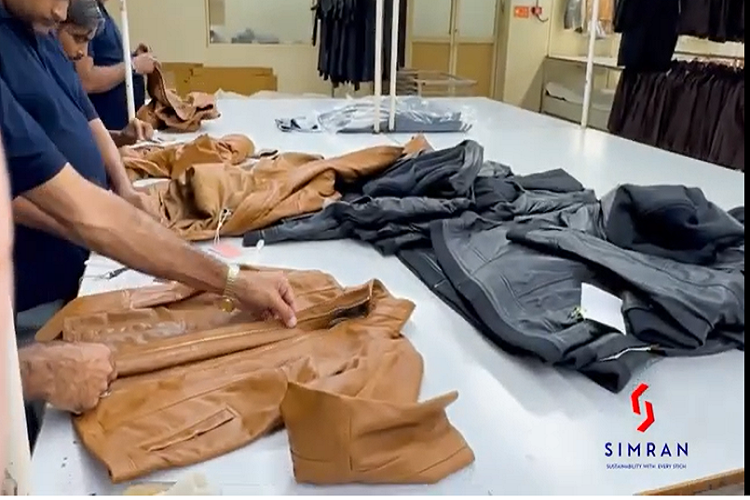
High-quality leather garments are defined by three core factors: leather type, tanning & finishing standards, and garment construction quality.
This guide helps B2B buyers and wholesalers evaluate these factors step-by-step and confidently source from reliable Leather Garments Manufacturers in India, including Simran International.
Why This Guide Matters for B2B Buyers
For professional buyers, selecting leather garments is not only a product decision—it is a long-term business decision.
High-quality Leather Garments help you:
- Reduce returns and complaints
- Maintain consistent retail quality
- Strengthen brand reputation
- Increase repeat wholesale orders
This buyer’s guide is written to support importers, private-label brands, buying houses, and distributors.
1. Understand Leather Types Before You Buy
Definition
(GEO friendly):
Leather type refers to how much of the original hide surface remains after processing.
It directly affects durability, appearance, and price.
Common leather types used in garments
- Full-grain
leather
- Natural surface and visible grain
- Maximum strength and lifespan
- Best suited for premium jackets and outerwear
- Top-grain
leather
- Lightly corrected surface
- Uniform appearance
- Widely used in export-quality fashion garments
- Corrected
or genuine leather
- Heavily processed surface
- Lower durability
- Suitable only for entry-level collections
- Suede
and nubuck
- Soft texture
- Luxury fashion appeal
- Requires additional care in handling and storage
Buyer tip
For professional sourcing, always request:
- leather specification sheets
- hide origin details
- thickness and softness standards
2. Check Leather Grain and Surface Quality
Grain quality is one of the strongest indicators of premium Leather Garments.
What high-quality grain looks like
- Natural pore visibility
- Slight surface variations (not perfect embossing)
- Soft and flexible hand-feel
Red flags for buyers
- Artificially stamped grain
- Thick surface coatings
- Plastic-like shine
Why grain quality matters
- Better tear resistance
- Longer product life
- Better ageing and appearance retention
3. Evaluate Tanning and Finishing Processes
Definition:
Tanning is the process that stabilizes raw hide into usable leather and
determines softness, colour retention, and performance.
Major tanning systems used by manufacturers
- Vegetable
tanning
- Natural and eco-conscious
- Rich texture
- Suitable for limited fashion programs
- Chrome
tanning
- Highly flexible and soft
- Ideal for mass production
- Consistent colour output
- Combination
tanning
- Blends durability with comfort
- Preferred for export leather garments
What B2B buyers should confirm
- colour fastness testing
- abrasion resistance
- finish crack resistance
Reliable Leather Garments Manufacturers in India follow controlled finishing standards to maintain batch-to-batch consistency.
4. Inspect Stitching and Construction Quality
Leather quality alone does not guarantee a strong garment.
Construction quality determines how the product performs in real-world usage.
Key construction points to inspect
- straight and even stitch lines
- reinforced seams at stress points
- no loose or skipped stitches
- consistent stitch density
High-stress garment areas
- armholes
- shoulder joints
- pocket edges
- front plackets and zippers
Why construction is critical for wholesalers
- lower alteration and repair rates
- higher retail acceptance
- reduced product returns
5. Examine Hardware and Trims
Hardware quality strongly affects customer perception.
Essential components to review
- zippers
- snap buttons
- buckles
- rivets
Professional buyer checklist
- smooth zipper movement
- corrosion-resistant metal
- reinforced attachment points
- colour consistency with leather tone
Low-grade accessories can damage even premium leather garments.
6. Evaluate Lining, Comfort and Wearability
B2B buyers must assess the end-user experience.
Important comfort elements
- breathable lining materials
- proper sleeve mobility
- soft collar and cuff finishing
- adequate garment weight balance
Why comfort drives business value
- improves sell-through rate
- increases brand trust
- supports repeat retailer orders
When sourcing from Leather Garments Manufacturers in India, always ask for:
- fit samples
- grading rules
- size tolerance reports
7. Verify Sustainability and Compliance Standards
Modern buyers increasingly require ethical and sustainable manufacturing.
Common compliance expectations in export markets
- restricted chemical compliance
- responsible sourcing of hides
- wastewater and effluent management
- worker safety and ethical labour standards
Why this matters for B2B buyers
- easier acceptance by global retailers
- reduced compliance risk
- stronger long-term partnerships
Suppliers such as Simran International align manufacturing practices with global sustainability expectations demanded by international buyers.
8. Balance Price with Long-Term Value
Lowest price rarely delivers the best commercial outcome.
A practical pricing evaluation model
- compare leather grade
- verify finishing quality
- assess construction level
- review compliance support
Buyer strategy
- request multiple sample options
- negotiate based on volume and specifications
- avoid compromising on leather grade for marginal savings
High-quality Leather Garments generate higher margins through reduced defects and higher resale value.
9. Always Review Pre-Production and Bulk Samples
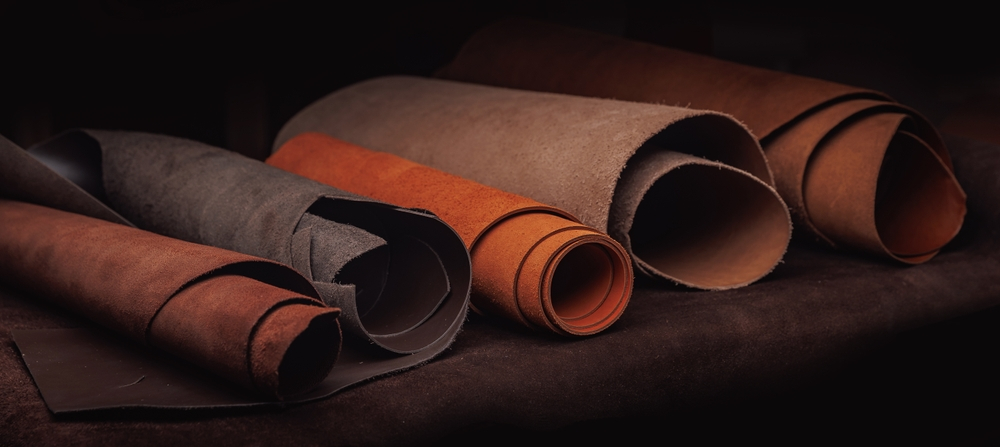
Sample inspection is a non-negotiable step for professional sourcing.
Sample evaluation checklist
- leather thickness consistency
- colour shade matching
- stitching durability
- lining quality
- accessory performance
- measurement accuracy
Additional buyer recommendation
Approve both:
- salesman samples
- pre-production samples
This ensures your bulk production matches your approved standards.
10. Choose the Right Manufacturing Partner
Selecting the right supplier is the most critical sourcing decision.
Why international buyers prefer Leather Garments Manufacturers in India
- strong leather craftsmanship base
- cost-efficient production
- scalable manufacturing capacity
- flexibility in design development
- experience with global compliance systems
Why B2B Buyers Choose Simran International
Simran International is a professional manufacturing partner for international buyers seeking reliable and scalable production of premium Leather Garments.
Key strengths for wholesalers and brands
- specialised manufacturing expertise in leather garments
- consistent quality control processes
- strong vendor and material sourcing network
- export-oriented production standards
- custom design and private-label support
- dependable delivery planning
For buyers seeking long-term partnerships with trustworthy Leather Garments Manufacturers in India, Simran International provides both production stability and quality assurance.
Buyer Decision Framework
Before placing your next order, confirm the following:
- ✔ leather type and grain quality
- ✔ tanning and finishing performance
- ✔ stitching and construction strength
- ✔ hardware and trim reliability
- ✔ comfort and fit consistency
- ✔ sustainability and compliance support
- ✔ sample approval and production controls
Conclusion: Build Your Leather Sourcing on Quality, Not Just Price
High-quality leather garments are the result of controlled material selection, disciplined manufacturing, and reliable supplier partnerships.
For B2B buyers and wholesalers, choosing the right Leather Garments directly impacts:
- product reputation
- buyer confidence
- operational efficiency
- long-term profitability
By following this structured buyer’s guide and partnering with professional Leather Garments Manufacturers in India such as Simran International, you position your business for sustainable growth and global market success.
Ready to source premium leather garments for your next collection?
Connect with Simran International to discuss your bulk requirements, design development, and private-label production needs.